READY TO GET STARTED?
USEFUL LINKS

We respond to text! Message and data rates may apply. Reply STOP to opt out.
RECEIVE OUR NEWSLETTER
GET SOCIAL

News
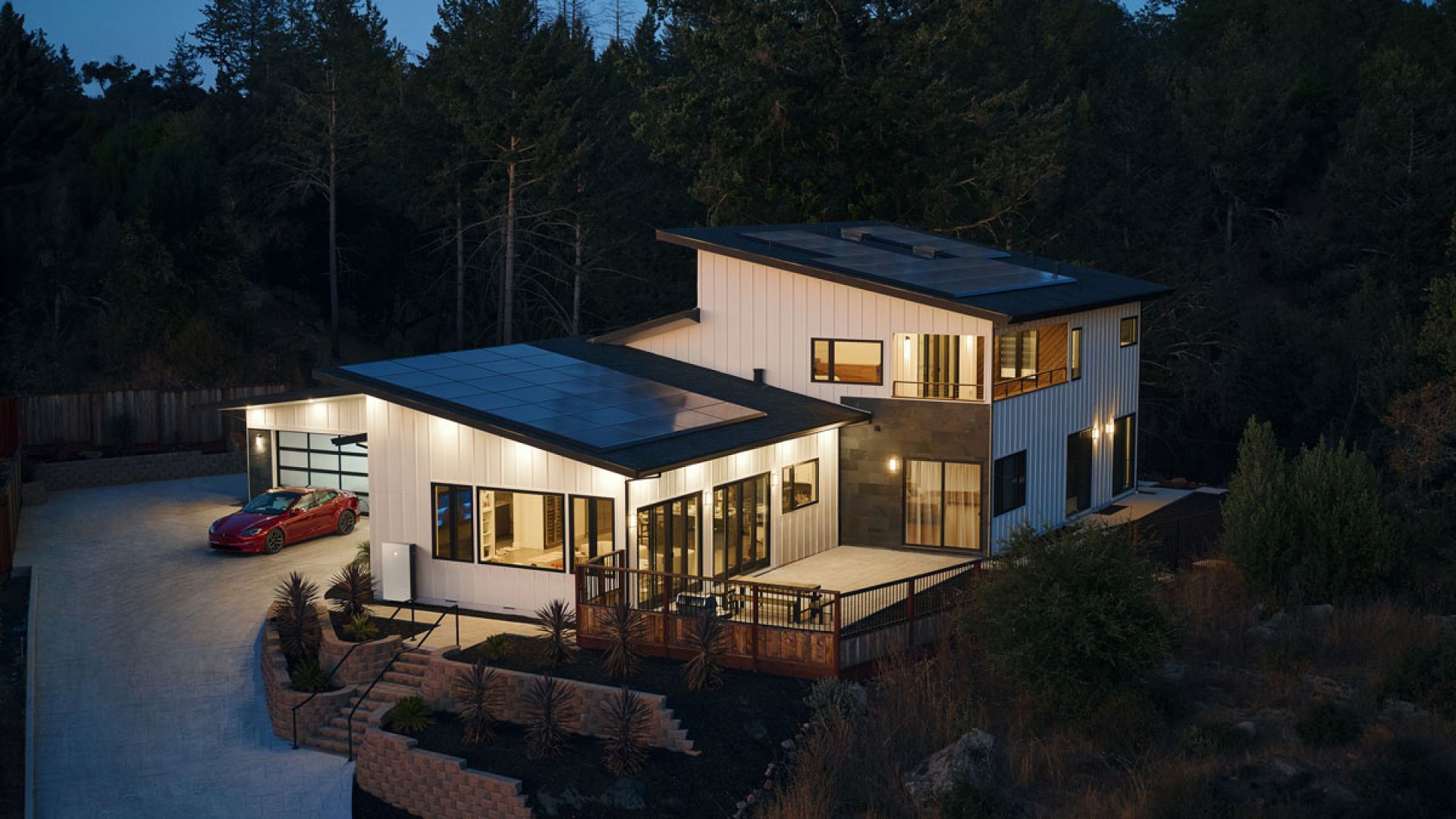
When people hear grid independence, they often picture going completely off-grid. In reality, grid independence is about choice, resilience and peace of mind for homeowners and businesses alike.
At its simplest, grid independence means generating your own energy and reducing or eliminating reliance on the traditional power grid. For homeowners, this often looks like rooftop solar paired with battery storage that keeps lights on during outages and lowers monthly utility bills. For businesses and organizations, it can mean larger solar systems, backup power, and energy management solutions that protect operations, employees, and customers when the grid is stressed or unavailable.
Why is grid independence becoming so important? The power grid is facing increased demand, aging infrastructure and more frequent disruptions from extreme weather. Power outages are no longer rare inconveniences – they can interrupt daily life at home and cause significant financial losses for businesses.
For homeowners, grid independence provides greater energy security, protection from rising utility rates and the comfort of knowing your home can stay powered during outages. For commercial customers, it offers operational continuity, cost predictability and greater control over long-term energy planning.
Grid independence doesn’t mean necessarily disconnecting entirely. Most solar systems remain connected to the grid, allowing homes and businesses to draw power when needed and, in some cases, send excess energy back. This hybrid approach combines flexibility with reliability.
At Lightwave Solar, we see grid independence as empowerment for families, business owners and communities. It’s about building energy systems that are resilient, sustainable and tailored to real-world needs. As more people rethink how they power their lives and livelihoods, grid independence is becoming a smart investment in a stronger, more reliable energy future.