READY TO GET STARTED?
USEFUL LINKS

We respond to text! Message and data rates may apply. Reply STOP to opt out.
RECEIVE OUR NEWSLETTER
GET SOCIAL

News
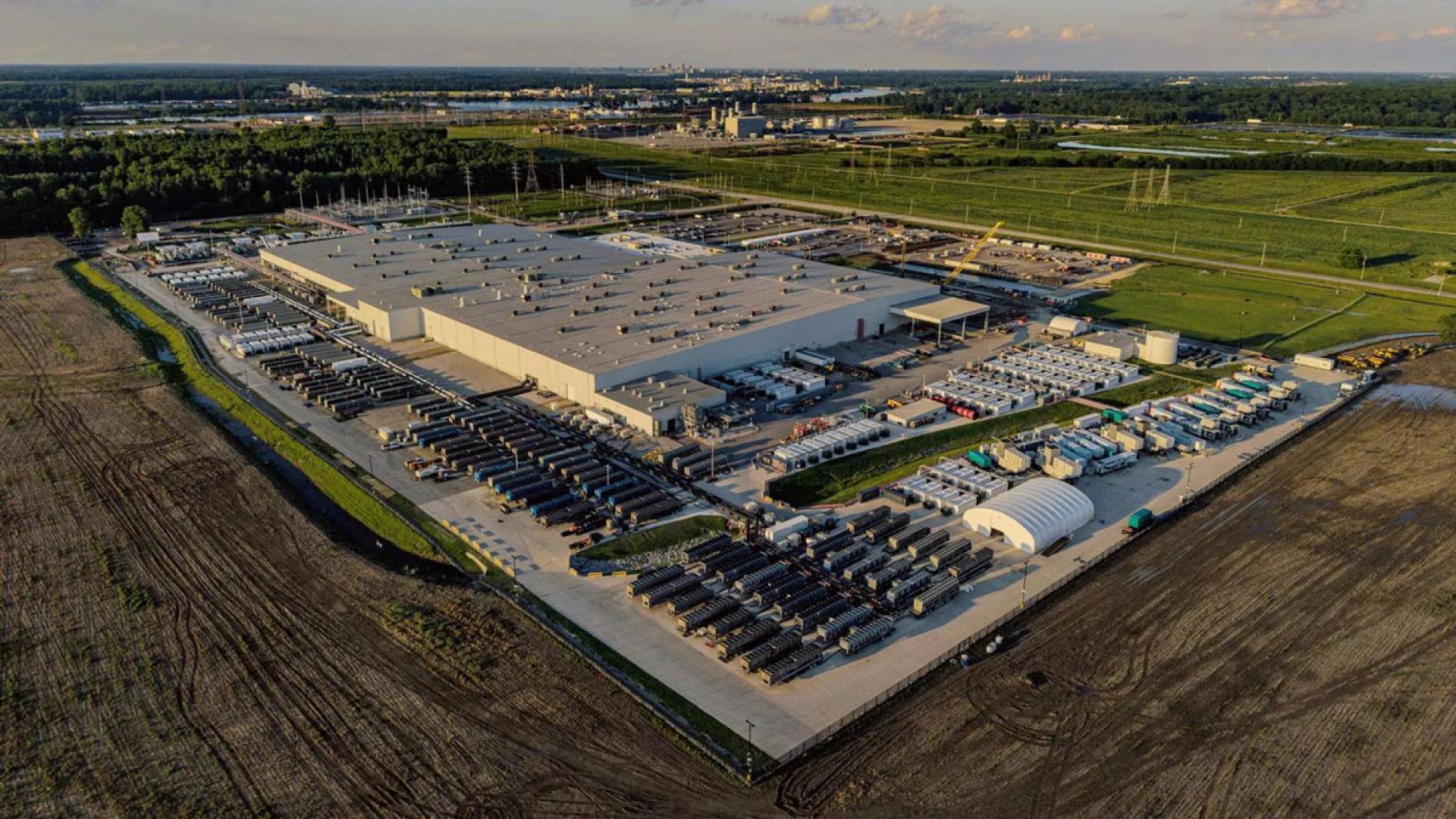
As data centers continue to be built at a rapid pace, concerns are growing about their impact on the communities that surround them. Data centers house the computer servers that store data, power websites and apps, and support artificial intelligence systems, operating around the clock. Their enormous demand for electricity and the large amounts of water required to cool their servers place increasing strain on power grids, drive up energy costs, and, in some cases, contribute to local air and water pollution.
In Memphis, Tennessee, data centers built in the last few years are causing major health and environmental risks for the nearby community. This has resulted in a lawsuit that claims the gas turbines used to power the data center are violating the Clean Air Act.
Additionally, many larger cities are seeing an increase in energy demand due to population growth, an influx of electric vehicles, and newly built data centers. It doesn’t help that the power grid infrastructure is also failing. After the latest Winter Storm Fern in January 2026 left thousands of residents in Nashville and surrounding areas without power, we learned firsthand how energy resilience is critical to fellow Tennesseans.
Damage to powerlines and transformers meant many people went without electricity for weeks. Luckily for Lightwave solar and storage customers, back-up power allowed them to keep the lights on and even provide assistance to their neighbors in need.
In addition to straining the utility’s ability to provide reliable power, data centers can also cause a rise in energy costs. Utility companies often have to build new infrastructure to accommodate data centers’ needs and that cost gets passed along to customers. The high demand and need for energy also drives up the market price, further increasing utility bills.
As an energy company, the increase in data centers raises several questions. If the power grids are already having issues, how will these data centers keep up with their own energy demand? Where is their power going to come from? And who is going to pay for it?
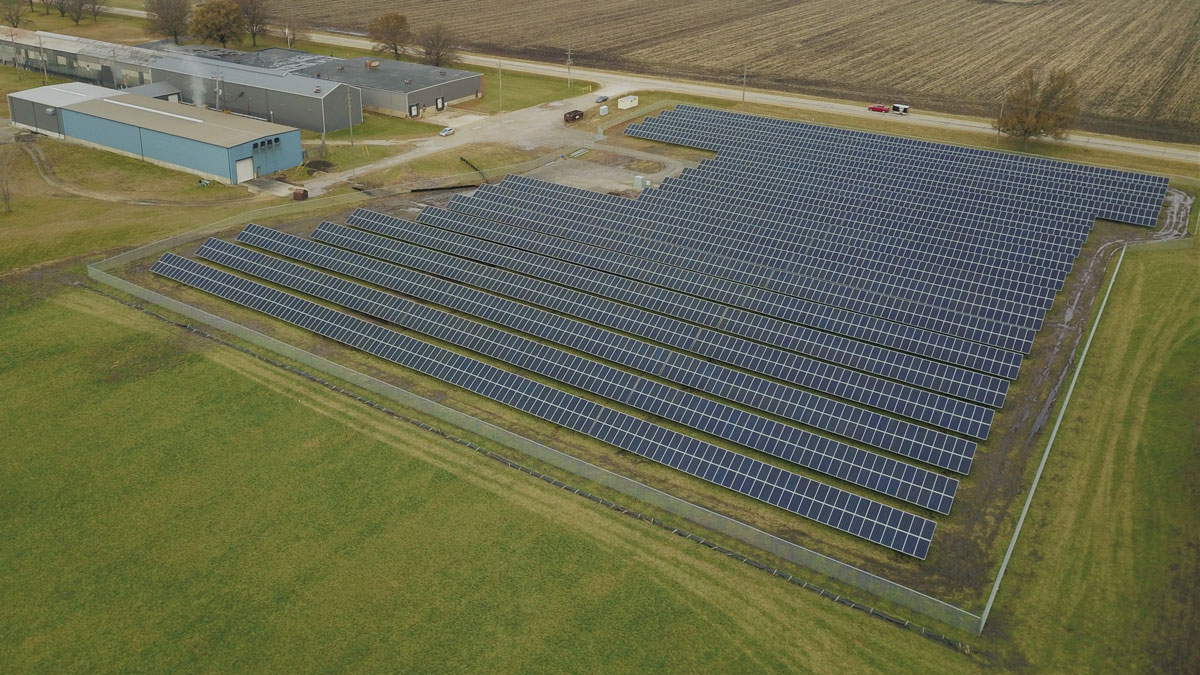
One solution for the issues that data centers bring is pushing them to primarily use solar and battery storage to supplement traditional utility sources with the extra power needs. As a result, the energy demand on the grid won’t affect our community by causing utility bills to increase and polluting the air. Unfortunately this would not solve the issue of contamination of local water supply and would take a lot more community push-back and public pressure on these centers to start more clean energy initiatives.
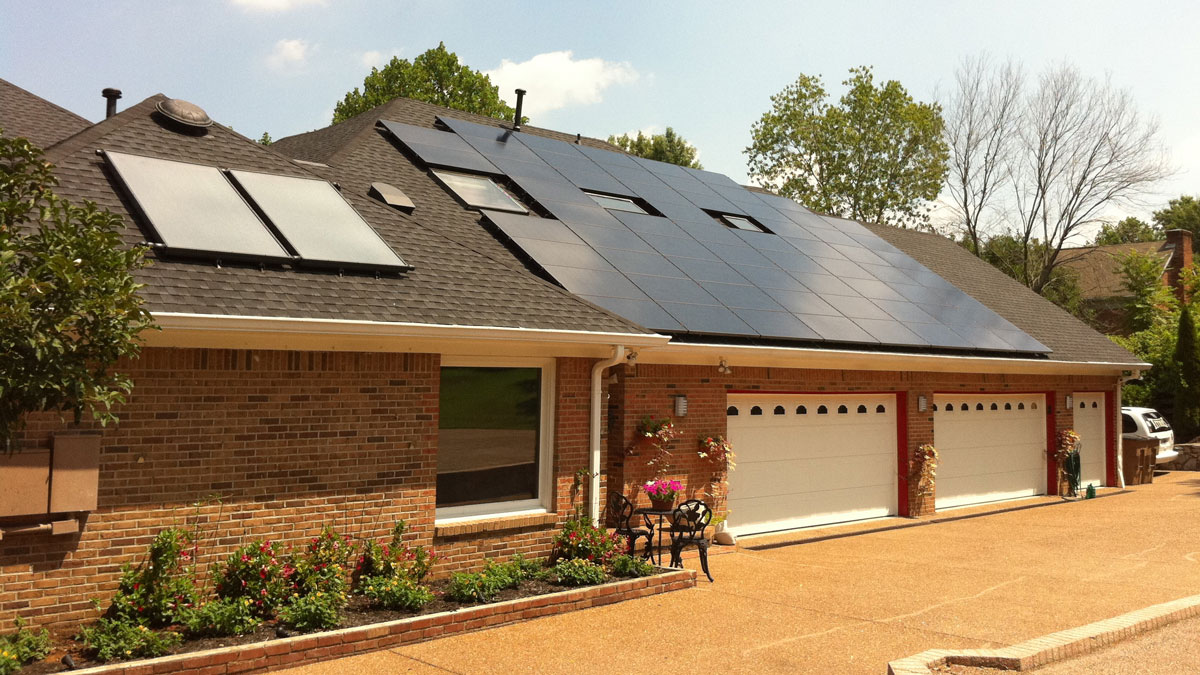
Another solution to reduce the impact of these data centers and other rising energy costs is to get solar and battery storage for your own home, business, or organization. This allows you to be entirely independent from the grid that is supplying these data centers’ energy. Solar energy is the most abundant energy resource on the Earth. As Lightwave’s founder, Steve Johnson has said, “There is enough solar to power this whole world many times over and that is where we will move into the future.”
The time is now for us and these data centers to be part of the change and solution we want to see in the world. At Lightwave, we are continuously moving closer to our goal of a net-zero future, with over 100 megawatts of installed capacity across the Southeast to date.
If you want to be part of the solution to build a better future for your own peace of mind, your community, and the planet, trust our team with your solar and battery storage project. Book your free consultation today!